
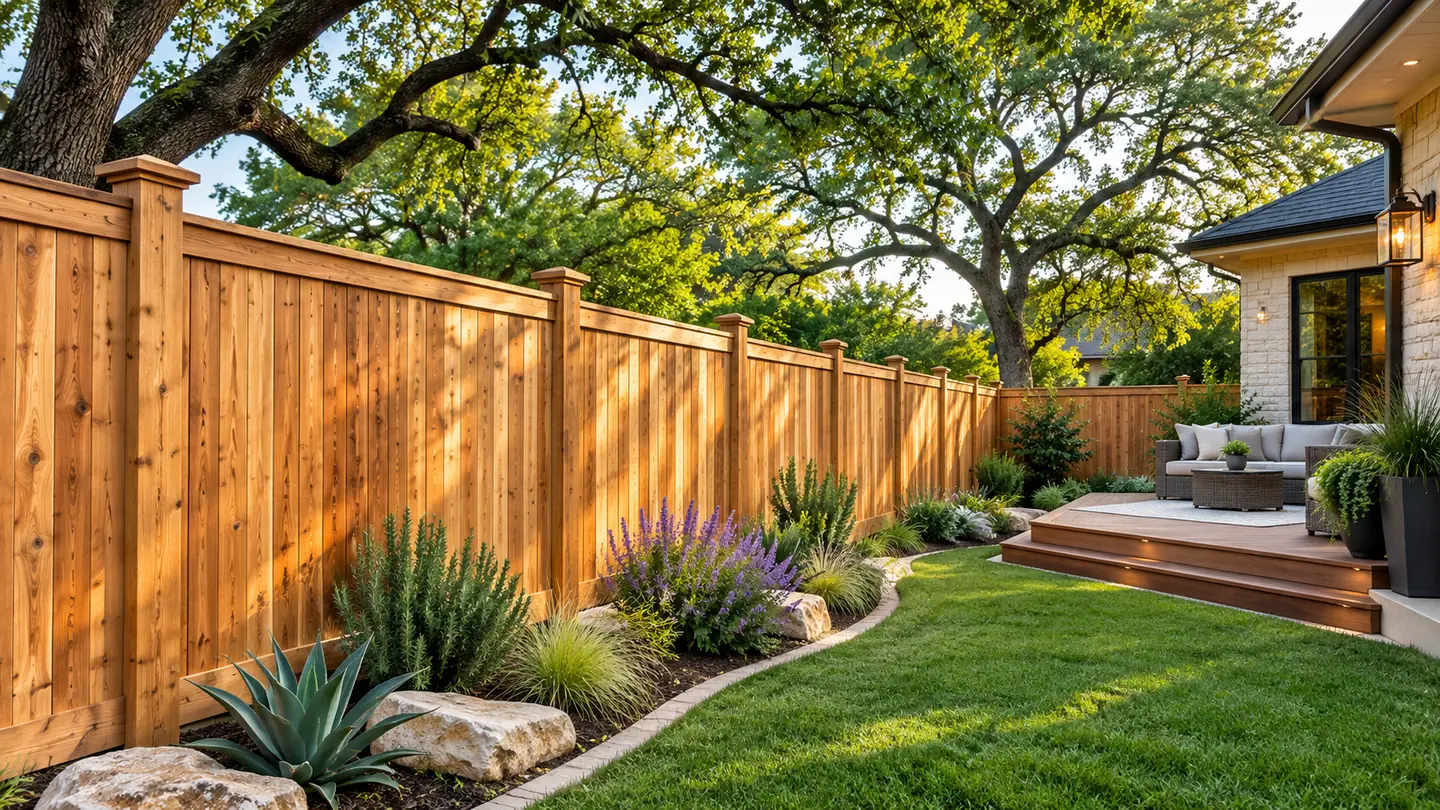
Plan pedestrian and vehicle gates, sag resistance, clear openings and safe access. Use these checkpoints when reviewing the specific property and a written contractor proposal.
Begin with the actual use
A side gate for trash bins has a different duty cycle from a frequently used yard gate or commercial vehicle opening. Make a list of what must pass through the opening—mowers, equipment, wheelbarrows, deliveries or people with mobility aids—before setting a nominal gate width. Remember that a gate’s usable clear opening is not always identical to its advertised panel width.
The opening and swing direction
Measure between finished surfaces and check for grade, steps, landscaping, drainage channels and nearby walls. A gate that swings uphill may need additional bottom clearance; a gate facing the street may be restricted by access or right-of-way rules. Confirm the swing direction at the site instead of deciding after the posts are placed.
Choose the correct frame
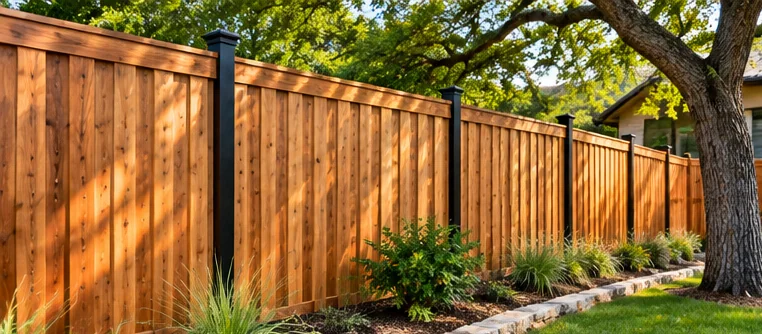
Solid wood gates can be heavy, particularly when tall or wide. Ask about framing material, diagonal bracing, hinge attachment and post reinforcement. A contractor should be able to explain how the frame resists sag and how it will be adjusted. For metal or chain-link gates, compare gauge, tubing, welded or assembled joints, coatings and latch hardware.
Double-drive openings
A double-drive gate needs a defined active leaf, inactive leaf, center stop and suitable drop rods or latches. Review how the gate will be secured during windy conditions and how the hardware interacts with pavement or gravel. Gate alignment can be affected by heaving, settlement or vehicle impact.
Automatic gate questions
A powered gate is a specialized access-control system with safety requirements, sensors, emergency release, power and potentially separate licenses or trades. Do not treat automation as an ordinary manual-gate hardware upgrade. Ask who designs, installs and services the operator and what inspection or permitting is needed at the actual site.
Inspection at completion
At the walkthrough, operate each leaf several times, check the latch and hinge adjustments, verify stops, look at clearances and confirm that keys or access devices are handed over. Obtain product care information and the contractor’s written hardware and workmanship warranty terms.
Frequently asked questions
Should a gate swing into or out of the yard?
That depends on grade, property boundaries, access and applicable restrictions. Confirm the swing at the site.
Why do wood gates sag?
Frame geometry, unsupported weight, weak posts, poor hardware or movement can contribute.
Can an existing manual gate be automated?
Possibly, but a qualified specialist must assess the gate, structure, operator and safety requirements.