
◆   Austin & nearby Central Texas communitiesResidential & commercial fencing · Custom decks
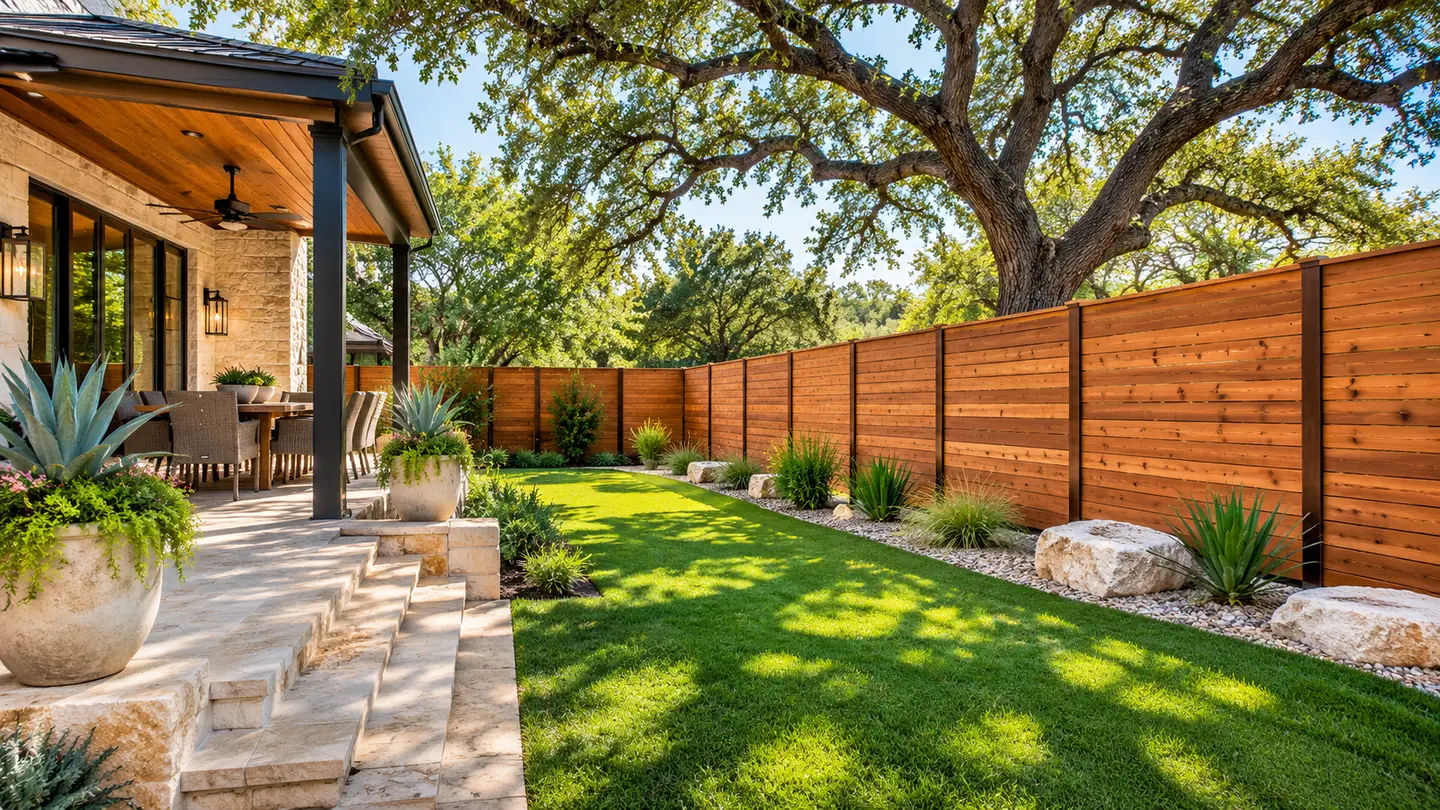
cedar privacy fence with landscaped yard and mature trees design concept
Home / Guides / Fence Maintenance in Central Texas: Seasonal Checklist
GUIDES

Fence Maintenance in Central Texas: Seasonal Checklist

Inspect cedar, vinyl, aluminum and chain-link fences for wear, drainage and gate movement.

Planning resource: This guide provides general information. Check manufacturer specifications and the relevant municipality for your actual project, and compare written estimates.

Inspect cedar, vinyl, aluminum and chain-link fences for wear, drainage and gate movement. Use these checkpoints when reviewing the specific property and a written contractor proposal.

PART 1

Start with the structure

Walk both sides of the fence and inspect leaning posts, movement near corners, cracked concrete, missing caps and loose framing. Take photos of changes rather than trying to judge everything from memory. A small issue may require prompt attention before a gate becomes difficult to operate.

PART 2

Cedar fence care

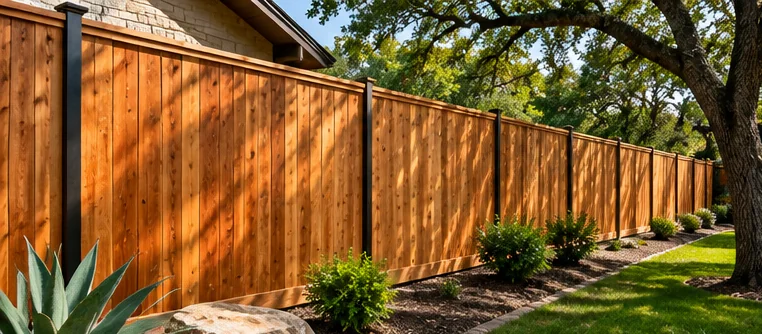
Inspect boards for splits, loosened fasteners and weathered finishes. Keep vegetation and persistent standing moisture away from the base when practical. If staining, follow the finish manufacturer’s preparation and cure requirements; avoid sealing wet lumber.
Illustrative material or construction detail
PART 3

Vinyl fence cleaning

Use cleaning products permitted by the vinyl manufacturer and avoid abrasive scrubbing that scratches the surface. Check panel engagement, gate hinges and post caps after heavy wind or landscape work. Replacement panels should be compatible with the specific system.

PART 4

Aluminum and chain-link inspections

Look for damaged coating, corrosion, bent pickets, torn fabric, loose tension hardware and wear around latches. Fence damage near public circulation, vehicle lanes or a pool should be evaluated promptly for safety and access.

PART 5

Gate maintenance

Operate each gate repeatedly, noting whether it drags or latches only with extra force. Check hinges, catches, stops and post alignment. Lubricate or adjust only according to the hardware manufacturer’s instructions.
Illustrative material or construction detail
PART 6

After storms or major landscaping work

High winds, fallen branches, trenching or excavation can change fence alignment and post stability. Do not assume a cosmetic repair solves deeper damage. Document the affected panels and ask for a repair-versus-replacement explanation where needed.

Frequently asked questions

How often should I inspect a fence?

An occasional walk-through and checks after major storms or landscaping work are sensible.

Can old boards be stained without preparation?

Follow the product guidance; cleaning and drying may be needed for proper adhesion.

Should a loose gate post be repaired immediately?

Movement can worsen and affect safe operation, so it merits prompt assessment.

IN-DEPTH PLANNING

Details that are often missed in a quick estimate.

Spring and early-summer inspection

After seasonal rain and new landscape growth, clear debris that holds moisture against fence boards, check for leaning posts or shifted footings, and test gates. Inspect water pooling near the fence, sprinkler spray on timber and vines attached to hardware. If staining or cleaning is planned, follow the product instructions for acceptable weather and drying conditions. Photograph any change in post alignment so it can be compared after the next weather cycle.

Late summer and autumn

Extended sun exposure can fade finishes, dry some wood surfaces and increase the need to check fasteners or gate alignment. Observe whether boards have warped, cracked or opened visible gaps. For vinyl and metal fences, inspect coating, caps and latches and wash with compatible cleaners rather than aggressive solvents. Trim vegetation with care, avoiding contact with protective coatings or exposed utility lines.

Storm and damage response

Before attempting a repair, check whether a post has moved or a panel is simply detached. Fallen trees, vehicle impacts and high wind can compromise the supports that are not visible from the front of the fence. Photograph damage for contractor assessment. Gates and perimeter sections that affect safety or unauthorized access deserve prompt attention. If an underground repair or replacement requires digging, obtain utility locates as required even if the original post hole is being reused.

NEXT STEP

Ready to plan your project?

Tell us about the property, materials and project goals so the details can be reviewed in one place.

Request a project estimate ↗
Call nowGet an estimate