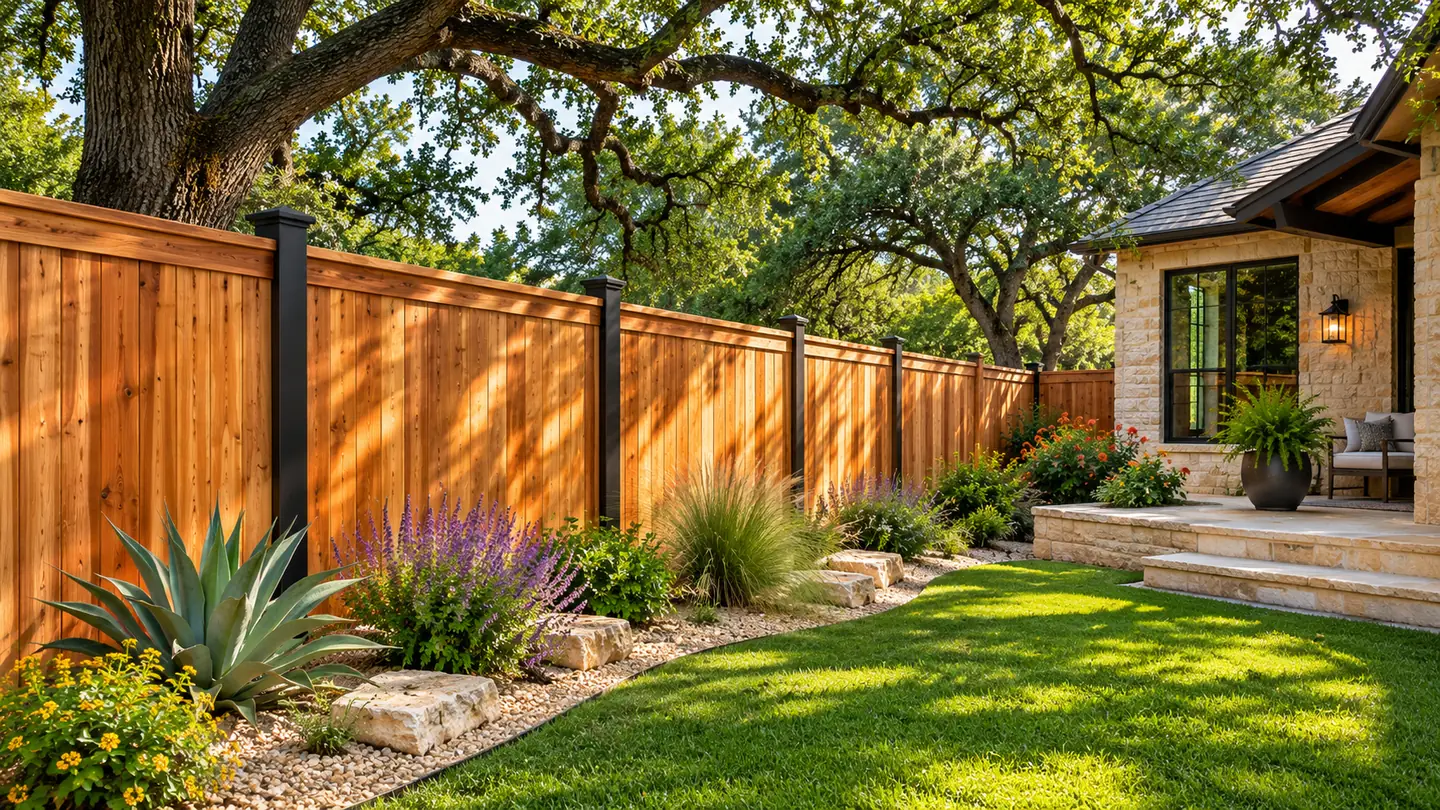
How to inspect posts, panels and gates, understand recurring failures and compare repair with complete replacement. This guide focuses on the decisions that affect project quality, maintenance and long-term value.
Look for the cause, not only the symptom
A leaning section may result from a failed post, damaged concrete, soil movement, collision or a gate repeatedly pulling against the frame. Repairing only the visible pickets will not solve a foundation problem. Walk the line and record where leaning, rot, loose hardware or sagging appears. Check whether the failure is isolated to a single section or repeated across multiple runs. If the fence is shared, coordinate with neighbors before disturbing it. Photos taken at several distances can help distinguish cosmetic wear from structural movement.
When repair is usually worth considering
A sound fence with one damaged gate, a few missing boards or a localized post issue may be a good repair candidate. Repairs can preserve material and lower disruption, especially when matching materials remain available. However, the contractor should evaluate adjacent posts and rails so the repaired section is not attached to failing components. Ask whether a new gate can be hung from the existing posts safely. Compare the repair's expected life with the rest of the fence and get the scope in writing, including any exclusions.
Signs replacement may be a better investment
Widespread post deterioration, continuous leaning, repeated gate misalignment, severe corrosion or an obsolete panel system can make piecemeal repairs costly over time. A fence approaching the end of its useful life may also no longer meet current privacy, pet or security needs. Replacement offers an opportunity to improve post systems, change gate locations or address grade problems. The downside is greater material expense, removal work and possible new approvals. A balanced recommendation should explain why replacement is being proposed rather than simply assuming old means unusable.
Comparing wood, vinyl, aluminum and chain-link repairs
Wood allows individual boards and rails to be replaced, but color and weathering may make patches visible. Vinyl panels are often modular, though matching older colors or discontinued shapes can be difficult. Aluminum may require specific pickets, panels or brackets; coating damage should be handled to prevent longer-term issues at connections. Chain-link fabric can sometimes be repaired or re-tensioned without rebuilding all posts, depending on damage. Each system needs a different inspection; a one-size-fits-all price per foot is not a reliable way to estimate repairs.
Gate trouble deserves its own diagnosis
Gates endure repeated movement and load. A latch that will not catch could be caused by loose hinges, a twisting leaf, inadequate bracing or moving posts. Simply adjusting the latch may provide only temporary relief if the supporting post is failing. Check clearances at the top and bottom, whether the gate swings freely and how it operates in rain or after irrigation. Wide or heavy gates may need a different frame or hardware specification. Document the correction and ask the installer to test the complete opening rather than just hand over a new hinge.
What repair estimates should disclose
A clear estimate identifies each repair area and what will be reused, replaced or reinforced. Include old-material disposal, color matching, permits if relevant, any concrete or footing work and the extent of warranty coverage. For replacement proposals, request a complete demolition and new installation scope so you can compare fairly. Beware of vague line items such as “fix fence” without measurements or materials. Ask how hidden post deterioration will be handled if discovered after excavation, and get authorization requirements for change orders in advance.
Working around weather and landscape
Repair work may disrupt sprinkler lines, planting beds, retaining-wall edges or utilities. Photograph existing conditions and locate private irrigation before digging. A repair involving new posts can trigger the same utility-locate needs as a full installation. Timing matters after heavy rain because saturated ground may limit equipment access. Discuss pets, security openings and temporary barriers if work leaves the property exposed overnight. If neighboring fences or gates are connected, coordinate the work plan with affected owners.
A practical decision worksheet
List the fence age if known, material, number of affected sections, post condition, gate problems, desired lifespan and future plans for the property. Obtain one repair quote and one replacement quote with matching assumptions. Divide cost by the years of useful service you reasonably expect, while remembering that these estimates are uncertain. Consider whether a repair locks you into an inconvenient gate or poor privacy layout. Choose the option that solves the underlying problem at a risk and maintenance level that fits your plans.
Frequently asked questions
Can a leaning fence be repaired?
Often, but the underlying post, footing and soil condition must be evaluated.
Will a replacement match the old fence?
Possibly, although weathered wood, discontinued vinyl profiles and coating colors may make matching difficult.
Do fence repairs require utility locates?
If digging is involved, utility locate obligations still apply.