
A real boundary
Begin with the actual property line, gate requirements, utility plans and permitted height.
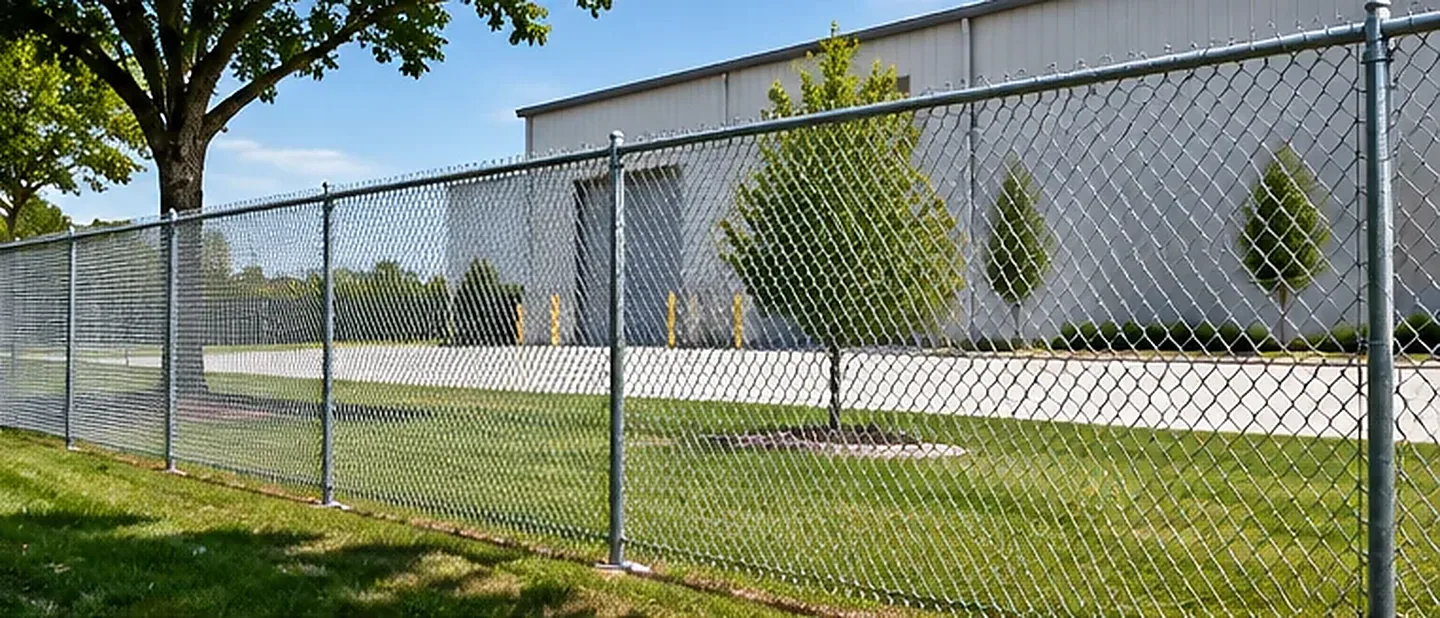
Browse neighborhood-level fencing and deck information for the Cedar Park area.
Begin with the actual property line, gate requirements, utility plans and permitted height.
Document gate swing, pedestrian and vehicle access, privacy objectives, material transitions and demolition before requesting a price.
Review the structure, stair and access plan for any deck, and confirm who must approve the work.
Use the actual property address to determine municipal, county, floodplain and HOA requirements. The area name alone does not prove jurisdiction.
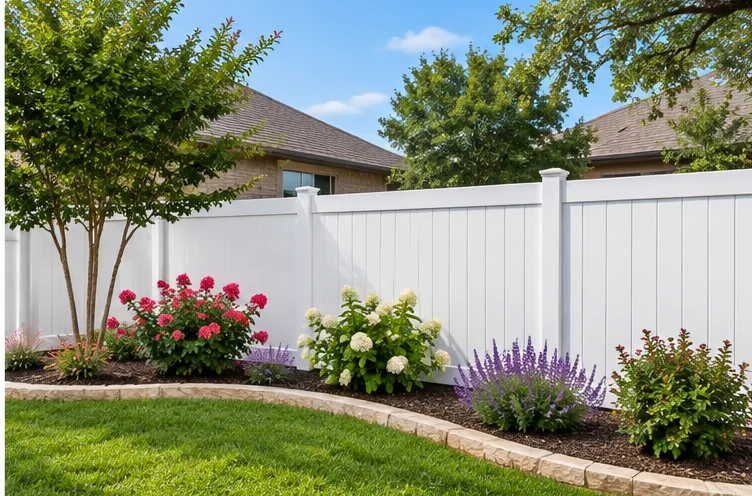
Tell us about the property, materials and project goals so the details can be reviewed in one place.
A familiar neighborhood or postal city does not necessarily determine the regulating authority. Confirm whether the property is within city limits, an extraterritorial jurisdiction or county land, and then review the correct fence or deck rules.
A survey and recorded easements help distinguish a property boundary from a convenient existing fence line. Coordinate underground-utility locations through Texas 811, and independently identify any private irrigation or electrical runs.
Privacy needs, grade changes, soil conditions, trees and equipment access all influence the right product and installation plan. Choose wood, vinyl, aluminum or chain link according to the function of each part of the boundary.
Ask for the same footage, height, gate count, post or footing assumptions, demolition requirements, finish and restoration. For a deck, also specify the structure, railings, stairs, drainage and connection to the house.