
Choose the right design
Commercial proposals should clearly identify gate openings, security expectations and site access constraints.
Business perimeter fencing, amenity enclosures and utility-area boundaries. Compare design choices, material specifications and the practical steps to get a written estimate.
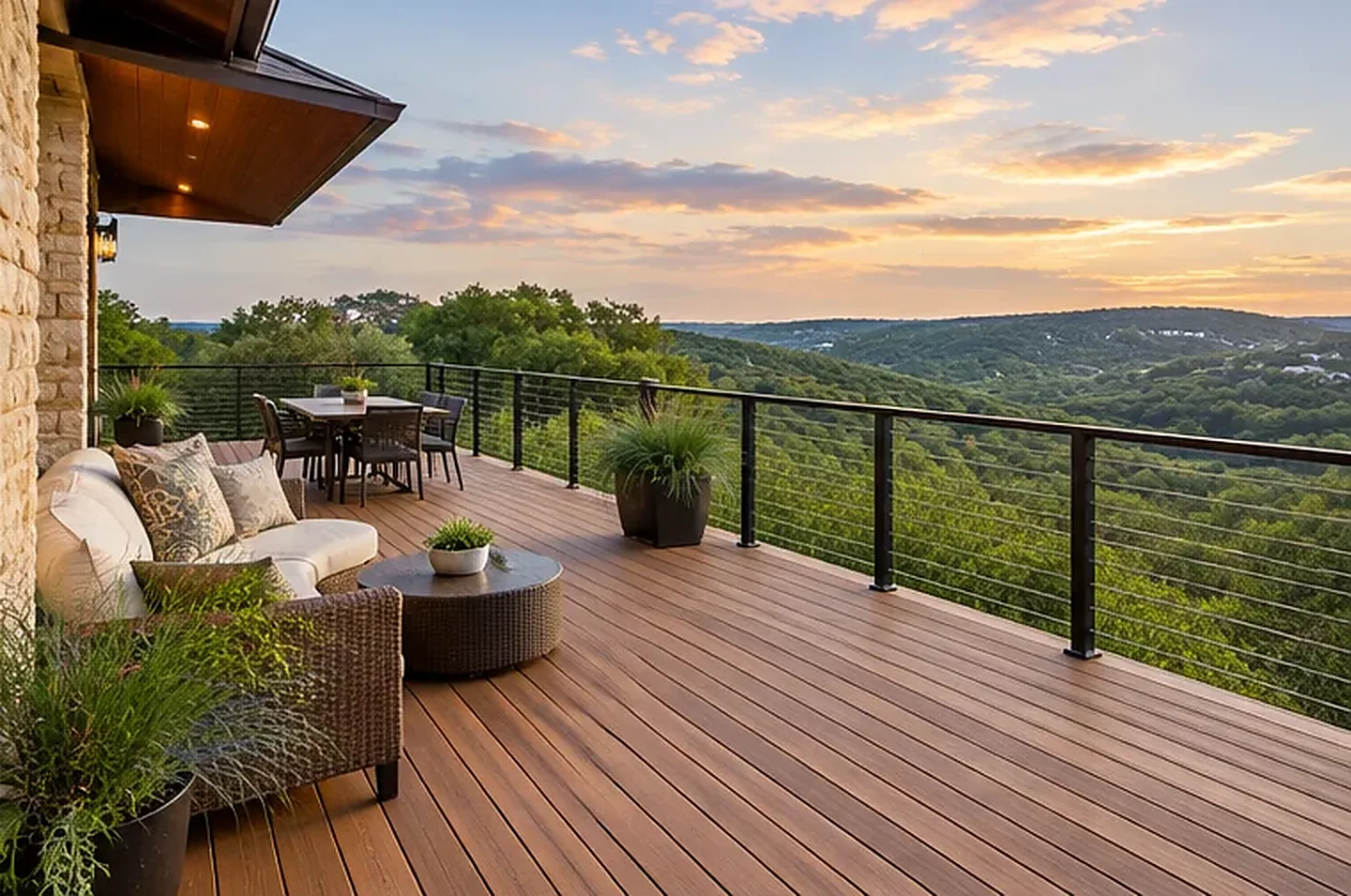
Business perimeter fencing, amenity enclosures and utility-area boundaries. The best result comes from getting the construction details right before installation begins.
Commercial proposals should clearly identify gate openings, security expectations and site access constraints.
For a project in Austin, start by confirming your intended finish, basic dimensions and how the proposed work will affect nearby structures, landscaping and access.
Discuss your project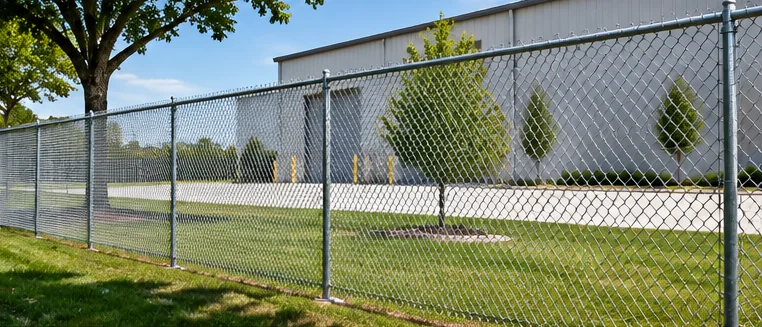
Commercial proposals should clearly identify gate openings, security expectations and site access constraints.
Site access, security goals, framework, bid documentation and phasing. Exact measurements, foundations, hardware and the work area belong in the written scope.
Account for property boundaries, easements, slope, existing improvements and access for material deliveries.
A different fence material can be a better fit for privacy, views, maintenance or budget.
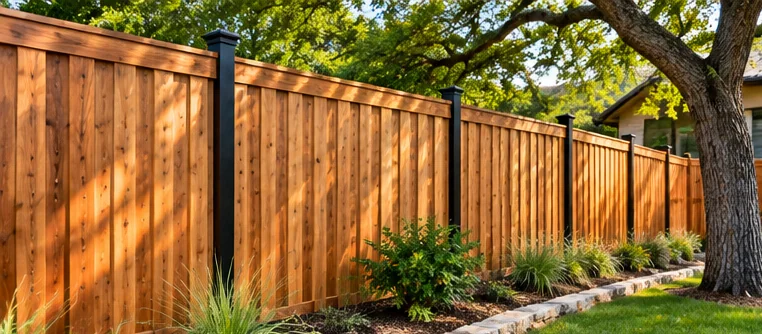
Cedar provides natural privacy with options such as vertical pickets, board-on-board and horizontal boards.
View options →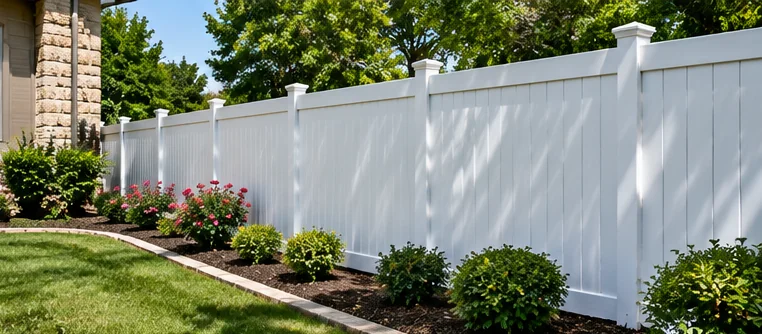
Opaque panels deliver a clean finish and avoid routine painting; post anchoring and panel layout remain important.
View options →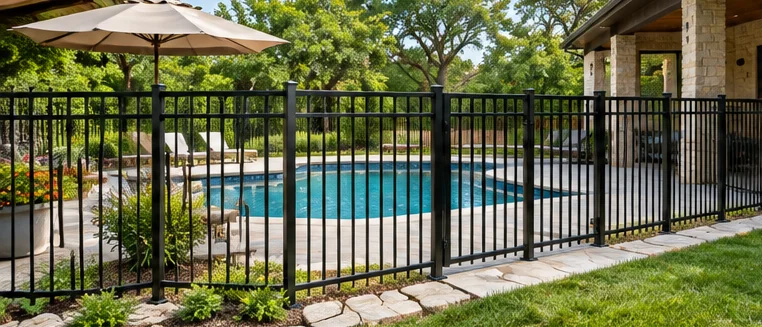
An open design that can define an area without blocking views. Pool barriers require code-specific detailing.
View options →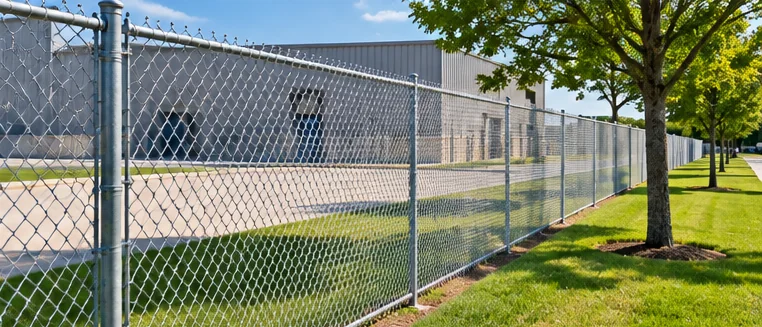
A practical perimeter option for commercial, recreational and selected residential uses, with galvanized or coated fabric.
View options →Footage or deck dimensions, materials, site access, elevation and foundations change the scope. A reliable price needs these details, not just a city name.
The exact material system, height or dimensions, posts or framing, finish, labor, site work, exclusions, cleanup and any required approvals.
Use the linked municipal source and check the actual property jurisdiction, current code and association rules before construction.
AUSTIN • PROJECT CHECKLIST
A useful commercial perimeter fencing estimate for a property in Austin needs more than a style picture or a simple per-foot number. These are the construction choices to discuss with a contractor.
A service yard, multi-tenant property and equipment enclosure have different access and durability needs. Define who uses each gate, expected vehicle clearance and who controls entry.
Include material, height, mesh or panel size, posts, footings, security details and gate hardware. Compare identical scopes across bidders instead of selecting by price alone.
Before work, confirm property rights, utility corridors, required egress, municipal review and any existing pavement or landscaping that may affect post installation.
The City of Austin distinguishes when a fence permit is required from its Safe Fencing rules. Those design rules can still apply when a permit is not needed. If the planned fence is tall, borders a right-of-way, or sits in a flood-hazard area, review the current city guidance before deciding on height and construction.
Austin municipal reference ↗The source is a planning reference, not evidence of approval or service availability for a particular address.
AUSTIN-SPECIFIC PLANNING
Choose the scope by actual property conditions and use, not just the headline material.
For commercial sites, map deliveries, emergency access, employee paths, visibility, frontage and facility schedules. Security objectives should be balanced against site approvals and access needs.
Request a written schedule of fence height, finish, mesh or panel details, gate types, terminal assemblies and work phasing.
Follow the relevant City of Austin guidance and check applicable floodplain, pool, grade, safe-fencing, right-of-way and other requirements for the exact property.
Within Austin city limits, fence height, street-facing placement and special site restrictions need an address-specific check. Deck construction follows its own review process.
Municipal starting point: City of Austin fencing regulations ↗. Confirm the actual property's jurisdiction and current requirements before beginning construction.
Commercial sites need a description of users, controlled access points, vehicle and pedestrian movement, visibility, gates and whether any existing perimeter stays in service during construction.
Verify the city's jurisdiction and any adjacent right-of-way before measuring the proposed fence line. A gate opening should be sized around operational traffic and emergency access rather than by appearance alone.
Check property limits, gates and any required pool barrier rules separately from general privacy-fence decisions. An itemized proposal should differentiate fabric, posts and terminals, gate hardware, coatings, foundation conditions and phasing.
Compare the broader commercial fencing guide and the Austin area overview before requesting a quote. Omega confirms project availability and next steps when reviewing each inquiry.
Tell us the address, project type, approximate dimensions and preferred material. An accurate proposal starts with a clear scope—not a generic online price.