
Choose the right design
Commercial proposals should clearly identify gate openings, security expectations and site access constraints.
Business perimeter fencing, amenity enclosures and utility-area boundaries. Compare design choices, material specifications and the practical steps to get a written estimate.
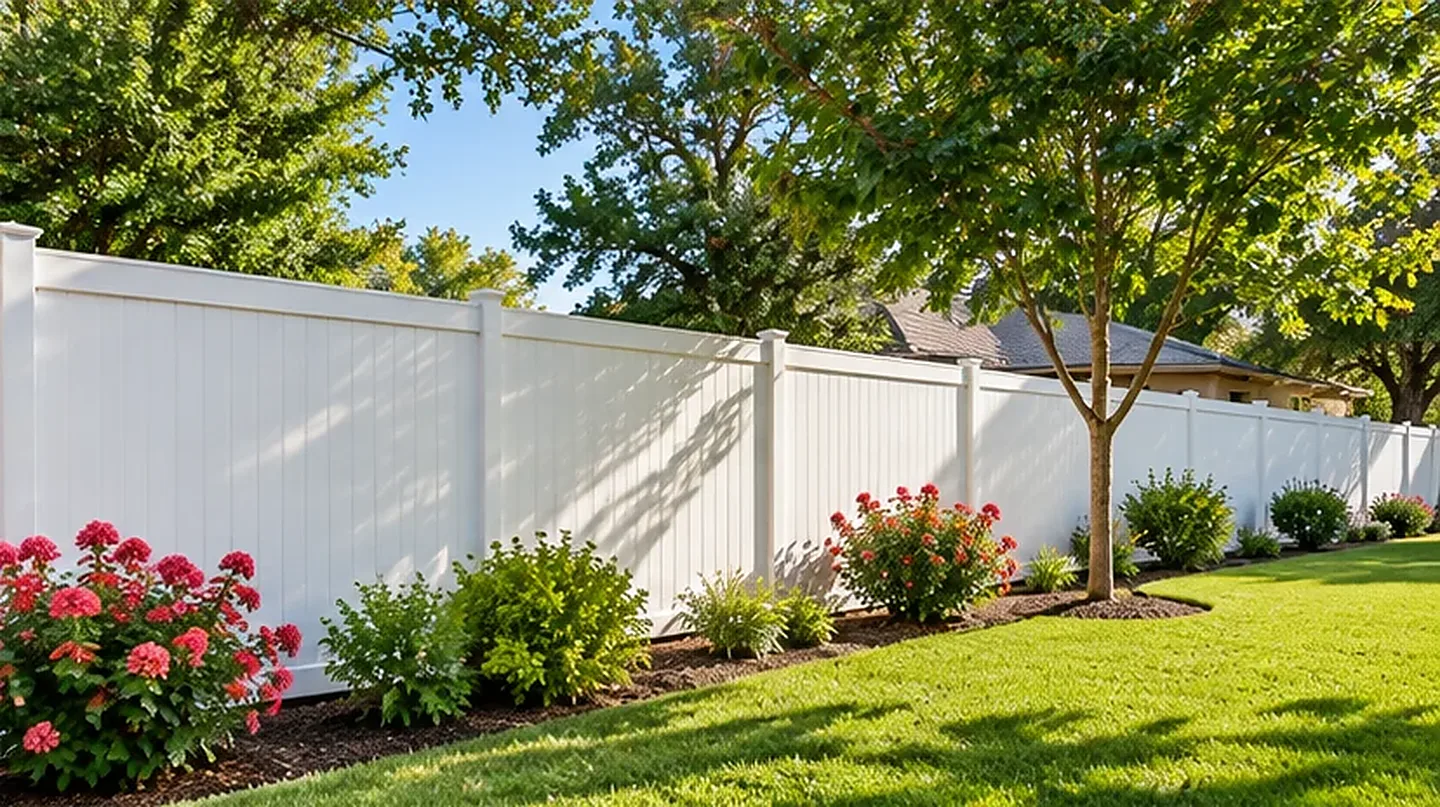
Business perimeter fencing, amenity enclosures and utility-area boundaries. The best result comes from getting the construction details right before installation begins.
Commercial proposals should clearly identify gate openings, security expectations and site access constraints.
For a project in Georgetown, start by confirming your intended finish, basic dimensions and how the proposed work will affect nearby structures, landscaping and access.
Discuss your project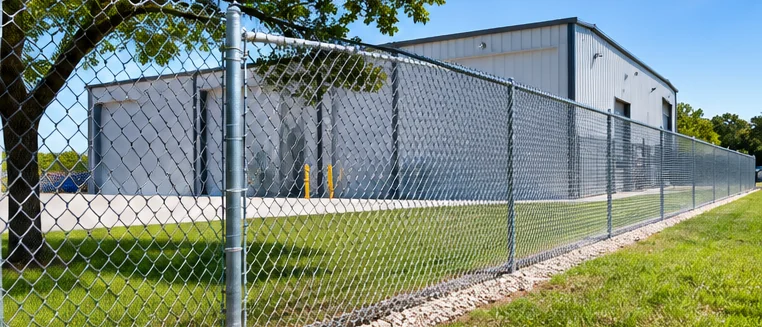
Commercial proposals should clearly identify gate openings, security expectations and site access constraints.
Site access, security goals, framework, bid documentation and phasing. Exact measurements, foundations, hardware and the work area belong in the written scope.
Account for property boundaries, easements, slope, existing improvements and access for material deliveries.
A different fence material can be a better fit for privacy, views, maintenance or budget.
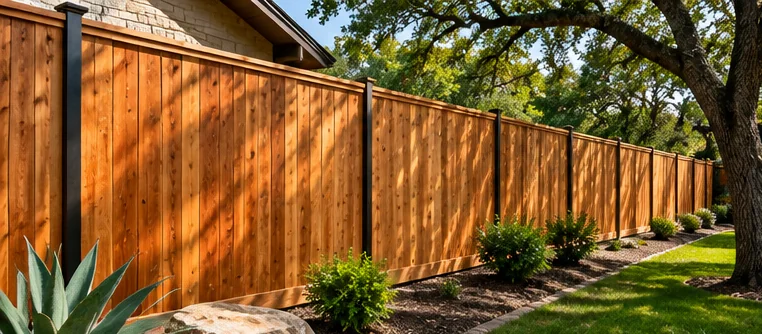
Cedar provides natural privacy with options such as vertical pickets, board-on-board and horizontal boards.
View options →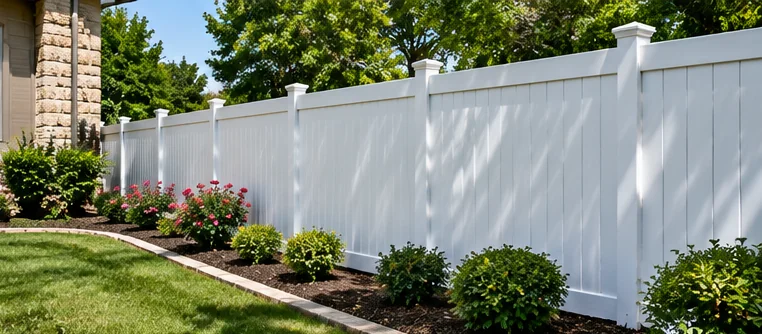
Opaque panels deliver a clean finish and avoid routine painting; post anchoring and panel layout remain important.
View options →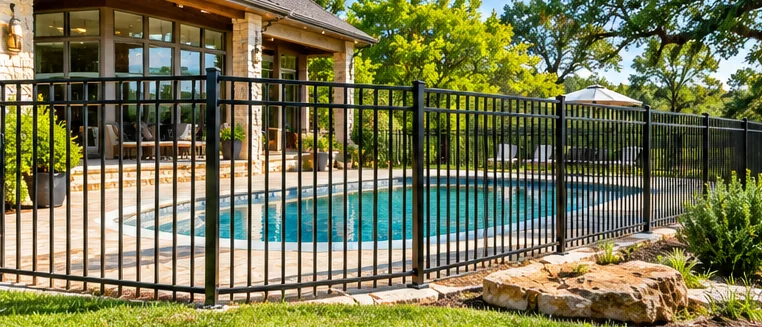
An open design that can define an area without blocking views. Pool barriers require code-specific detailing.
View options →A practical perimeter option for commercial, recreational and selected residential uses, with galvanized or coated fabric.
View options →Georgetown publishes a residential-fence standards document under its Unified Development Code. The applicable fence material, placement and height requirements should be checked against the actual address.
Municipal rules apply only within the relevant jurisdiction. A mailing address is not proof of city limits; verify the property and any private covenants before work.
Footage or deck dimensions, materials, site access, elevation and foundations change the scope. A reliable price needs these details, not just a city name.
The exact material system, height or dimensions, posts or framing, finish, labor, site work, exclusions, cleanup and any required approvals.
Use the linked municipal source and check the actual property jurisdiction, current code and association rules before construction.
A commercial fence specification should start with the operational goal: secure a loading yard, screen equipment, manage pedestrian circulation or define a non-secure boundary. The correct system follows that goal.
Map the openings first. Distinguish scheduled deliveries, staff pedestrian access, maintenance vehicles and emergency access before selecting fixed panels, sliding gates or swing gates.
Ask for material and framework standards, gate hardware, access control interfaces where applicable, ground conditions, bollard coordination and a maintenance plan. Any security rating or code compliance must be specified and verified, not assumed.
For a commercial location, identify whether a perimeter controls people, vehicles or material storage before choosing panels.
Georgetown provides municipal permit and inspection resources; historic districts, subdivisions and specific property conditions may add separate review questions.
Municipal resource: Georgetown permits overview. Checked 24 November 2026; confirm applicable rules for the actual parcel.
This is project-planning guidance, not proof of a completed Omega installation or an address-level permit determination. Actual availability and specifications require owner confirmation.
Georgetown publishes building-inspection guidance and permit resources; the appropriate review can depend on the parcel and the scope, including distinctions around city limits and other service arrangements.
Municipal starting point: Georgetown building inspections ↗. Confirm the actual property's jurisdiction and current requirements before beginning construction.
Commercial sites need a description of users, controlled access points, vehicle and pedestrian movement, visibility, gates and whether any existing perimeter stays in service during construction.
Use the actual Georgetown property address to identify the responsible review office before selecting a construction schedule. A gate opening should be sized around operational traffic and emergency access rather than by appearance alone.
For quoted work, list gates, demolition, access and structural components separately so the scope can be reviewed consistently. An itemized proposal should differentiate fabric, posts and terminals, gate hardware, coatings, foundation conditions and phasing.
Compare the broader commercial fencing guide and the Georgetown area overview before requesting a quote. Omega confirms project availability and next steps when reviewing each inquiry.
Tell us the address, project type, approximate dimensions and preferred material. An accurate proposal starts with a clear scope—not a generic online price.