
Choose the right design
Specify fabric and frame separately; black vinyl-coated and galvanized products have different appearances.
Residential perimeters and commercial or utility enclosures. Compare design choices, material specifications and the practical steps to get a written estimate.
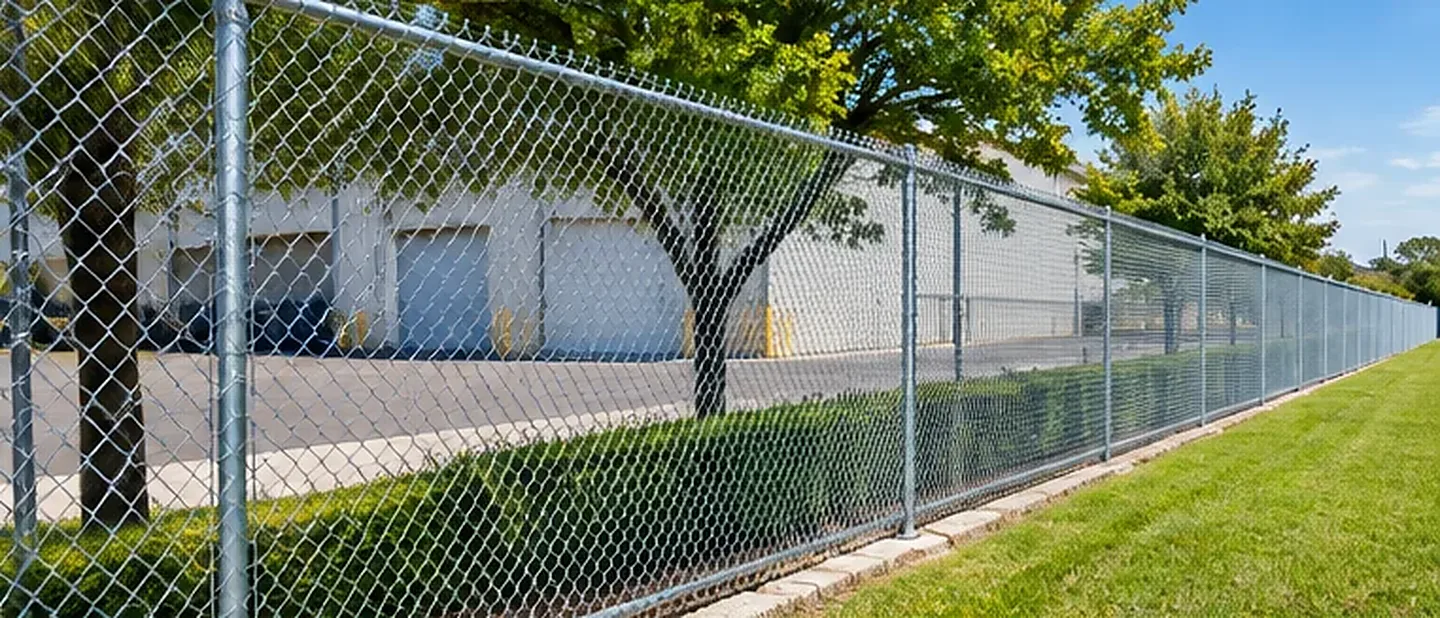
Residential perimeters and commercial or utility enclosures. The best result comes from getting the construction details right before installation begins.
Specify fabric and frame separately; black vinyl-coated and galvanized products have different appearances.
For a project in Leander, start by confirming your intended finish, basic dimensions and how the proposed work will affect nearby structures, landscaping and access.
Discuss your project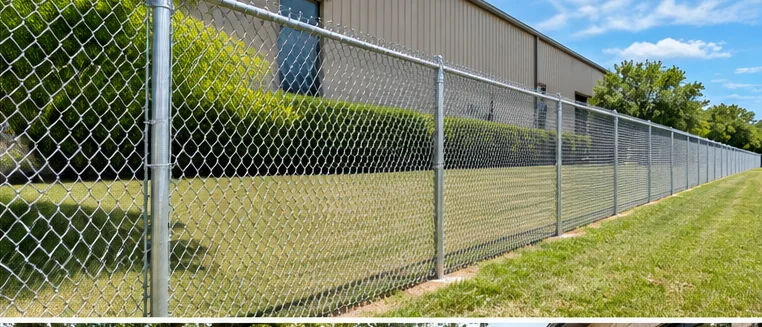
Specify fabric and frame separately; black vinyl-coated and galvanized products have different appearances.
Fabric gauge, mesh size, framework, coating and tensioning. Exact measurements, foundations, hardware and the work area belong in the written scope.
Account for property boundaries, easements, slope, existing improvements and access for material deliveries.
A different fence material can be a better fit for privacy, views, maintenance or budget.
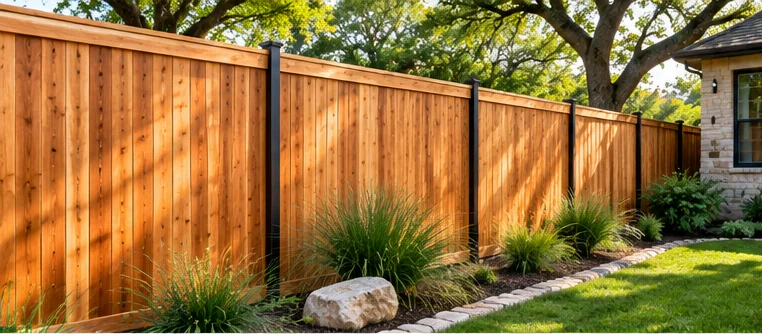
Cedar provides natural privacy with options such as vertical pickets, board-on-board and horizontal boards.
View options →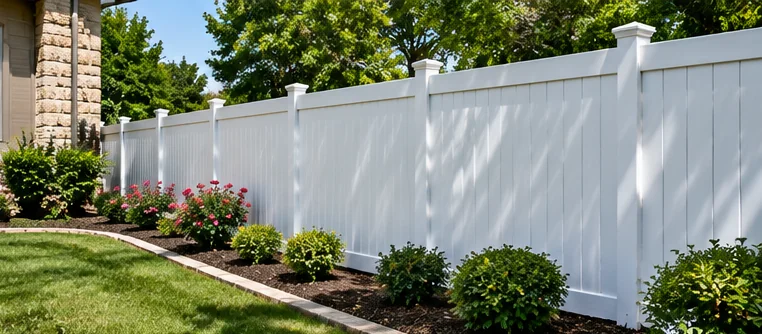
Opaque panels deliver a clean finish and avoid routine painting; post anchoring and panel layout remain important.
View options →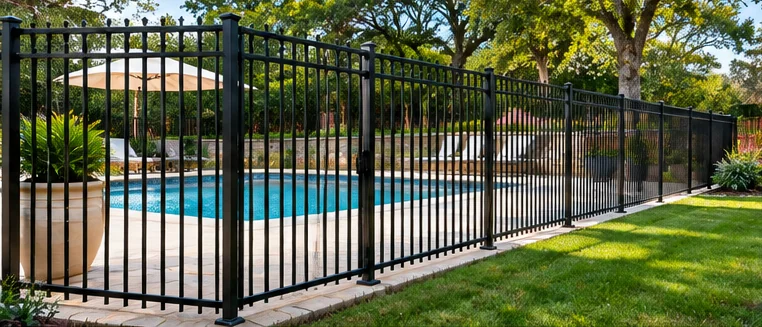
An open design that can define an area without blocking views. Pool barriers require code-specific detailing.
View options →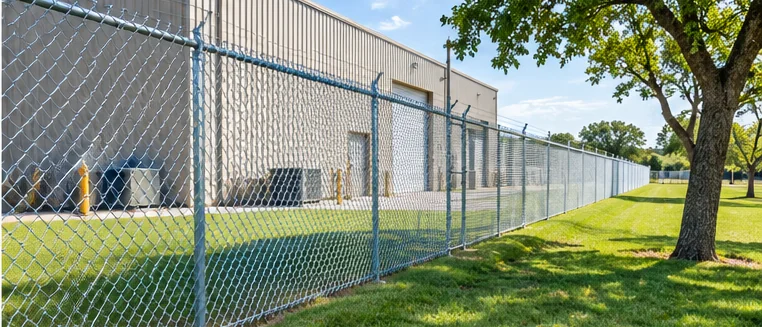
A practical perimeter option for commercial, recreational and selected residential uses, with galvanized or coated fabric.
View options →The City of Leander distinguishes properties inside city limits from those in its extraterritorial jurisdiction (ETJ). Its permit guidance says construction within city limits generally requires a permit; the ETJ has different rules.
Municipal rules apply only within the relevant jurisdiction. A mailing address is not proof of city limits; verify the property and any private covenants before work.
Footage or deck dimensions, materials, site access, elevation and foundations change the scope. A reliable price needs these details, not just a city name.
The exact material system, height or dimensions, posts or framing, finish, labor, site work, exclusions, cleanup and any required approvals.
Use the linked municipal source and check the actual property jurisdiction, current code and association rules before construction.
A chain-link quote should state height, mesh opening, wire gauge, coating or galvanizing, framework size, terminal assemblies and gate type. Those choices drive function and durability more than appearance alone.
Determine whether the goal is a pet enclosure, open property boundary or controlled access perimeter. Privacy slats, if requested, change wind loading and should be considered with the supporting framework.
Plan corners, ends, changes of direction, bracing, tension wire or rail and any mow-strip or uneven-ground condition. Gate widths should reflect the actual pedestrian, mower or vehicle equipment passing through.
For open acreage or secondary enclosures, document total line length and vehicle-access points before comparing chain-link options.
Leander explains that city-limit and ETJ conditions differ. Confirm the parcel’s governing authority before treating a Leander postal address as a single set of rules.
Municipal resource: Leander: Do I Need a Permit?. Checked 24 November 2026; confirm applicable rules for the actual parcel.
This is project-planning guidance, not proof of a completed Omega installation or an address-level permit determination. Actual availability and specifications require owner confirmation.
Leander distinguishes properties inside city limits from some extraterritorial-jurisdiction properties in its permit guidance. A Leander mailing address alone does not determine which requirements apply.
Municipal starting point: Leander permit applicability ↗. Confirm the actual property's jurisdiction and current requirements before beginning construction.
Chain link is a system of fabric gauge, mesh size, coatings, terminal bracing, line posts, tension wire and gates. The details should be listed rather than described only as a six-foot chain-link fence.
Identify the parcel's jurisdiction before treating an HOA approval as a substitute for municipal review. Consider galvanized versus coated fabric, privacy slats only where appropriate, and the number of terminal and corner posts.
Confirm utilities, easements and the construction boundary when defining posts or deck footings. Check intended access points and whether the purpose is a pet enclosure, general boundary or controlled commercial perimeter.
Compare the broader chain-link fencing guide and the Leander area overview before requesting a quote. Omega confirms project availability and next steps when reviewing each inquiry.
Tell us the address, project type, approximate dimensions and preferred material. An accurate proposal starts with a clear scope—not a generic online price.