
A real boundary
When a fence meets an established garden, a lower boundary wall or a utility side yard, decisions about post locations and access can be as important as the board pattern.
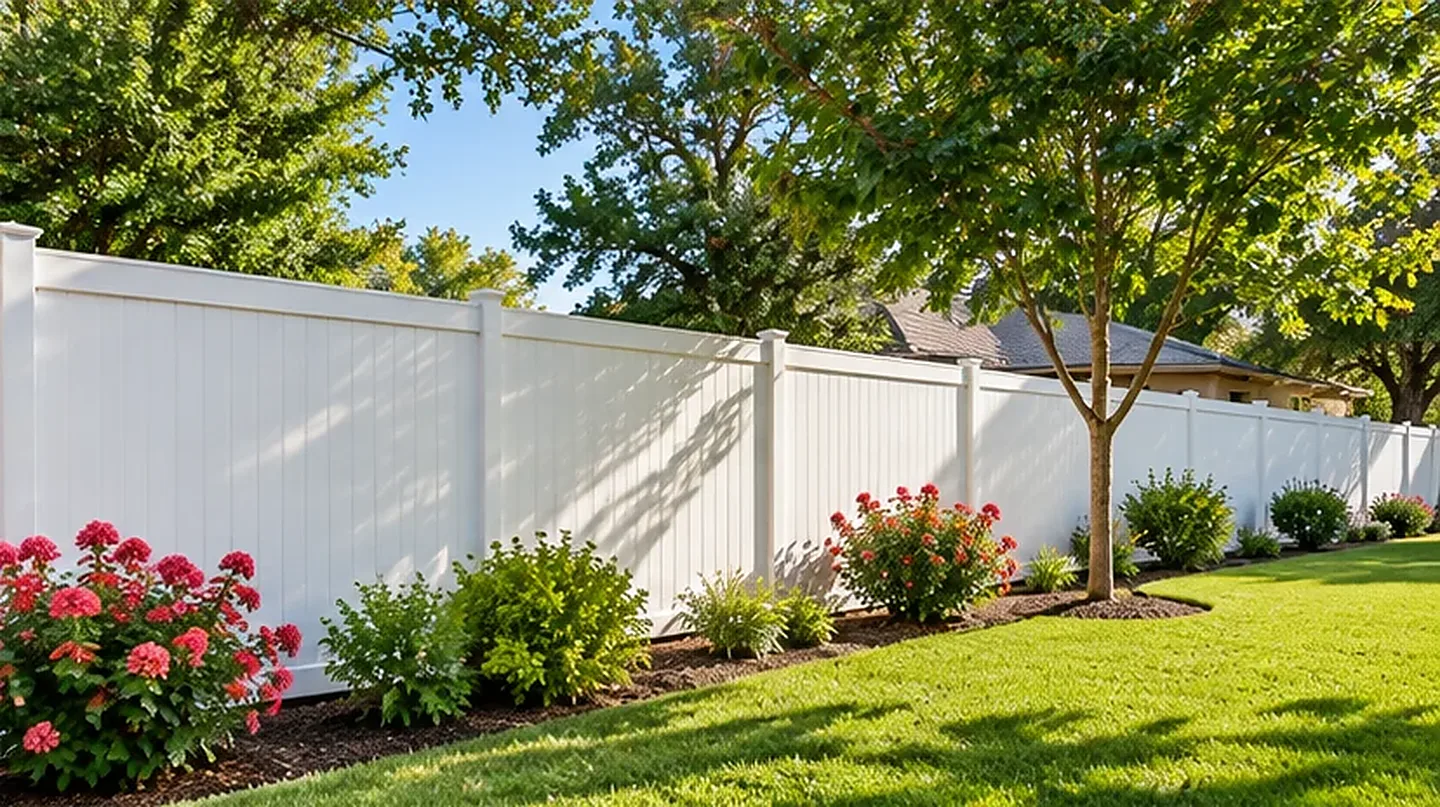
Browse neighborhood-level fencing and deck information for the Austin South Southwest area.
When a fence meets an established garden, a lower boundary wall or a utility side yard, decisions about post locations and access can be as important as the board pattern.
Document gate swing, pedestrian and vehicle access, privacy objectives, material transitions and demolition before requesting a price.
A deck plan should preserve space for planting, drainage and maintenance while making steps and circulation clear.
Use the actual property address to determine municipal, county, floodplain and HOA requirements. The area name alone does not prove jurisdiction.
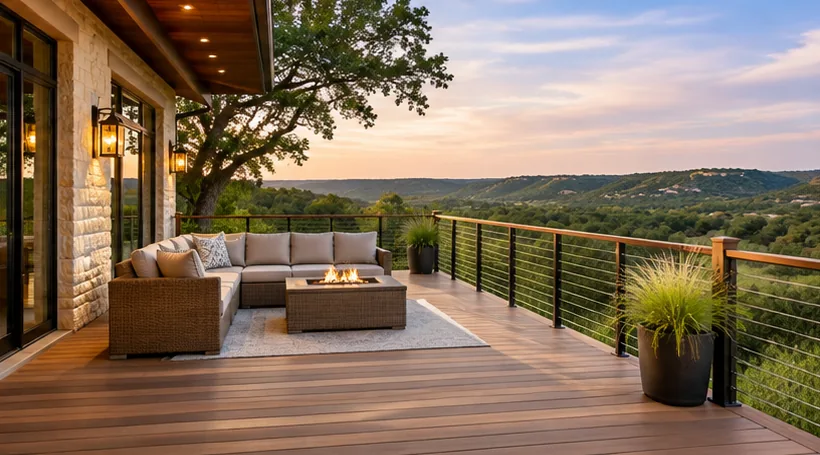
Tell us about the property, materials and project goals so the details can be reviewed in one place.
A familiar neighborhood or postal city does not necessarily determine the regulating authority. Confirm whether the property is within city limits, an extraterritorial jurisdiction or county land, and then review the correct fence or deck rules.
A survey and recorded easements help distinguish a property boundary from a convenient existing fence line. Coordinate underground-utility locations through Texas 811, and independently identify any private irrigation or electrical runs.
Privacy needs, grade changes, soil conditions, trees and equipment access all influence the right product and installation plan. Choose wood, vinyl, aluminum or chain link according to the function of each part of the boundary.
Ask for the same footage, height, gate count, post or footing assumptions, demolition requirements, finish and restoration. For a deck, also specify the structure, railings, stairs, drainage and connection to the house.