
Which fence material offers the most privacy?
Solid wood or vinyl styles are common choices when privacy is the priority. Aluminum and standard chain-link provide a more open sightline. Layout, height and gate openings affect the final result.
Explore cedar wood, vinyl, aluminum and chain-link fencing alongside wood and composite decks for properties in Austin. Compare styles, construction details and material tradeoffs before requesting a project estimate.
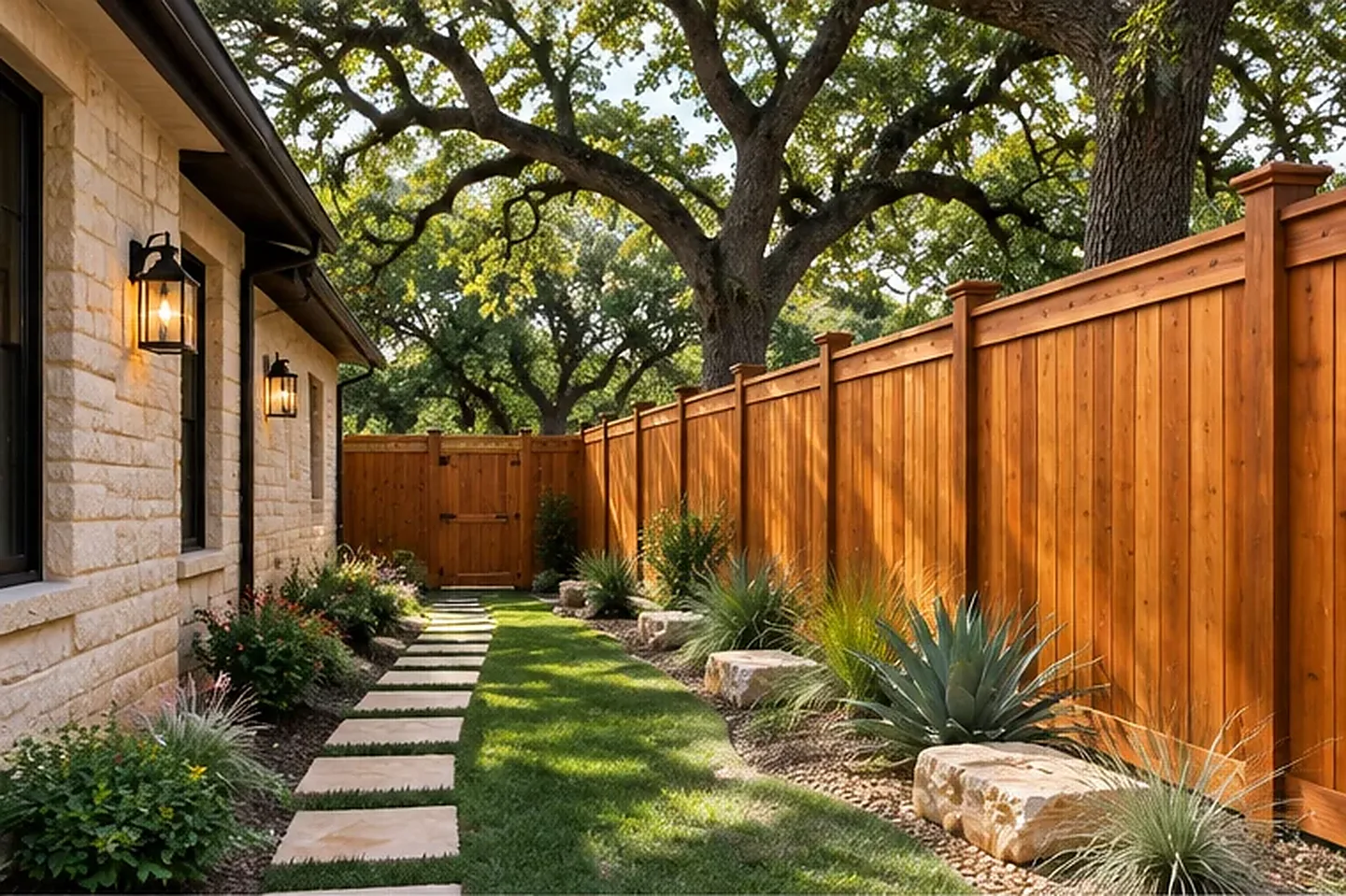
Each material has a different balance of privacy, upkeep, appearance and cost. Choose a section below, or scroll to read every option—nothing is hidden behind a menu.
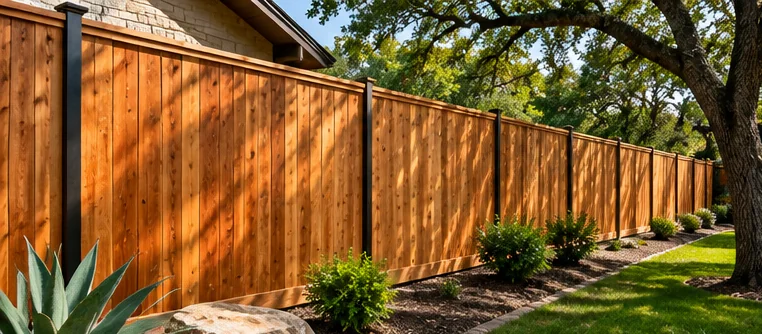
A warm, natural privacy fence with flexible board layouts.
For a proposed cedar or other wood fence in Austin, Verify the city's jurisdiction and any adjacent right-of-way before measuring the proposed fence line. Sketch the proposed post line and gates before choosing a board pattern. Compare privacy gaps, hardware, old-fence removal and finish requirements in one written scope; grade and access can change the design.
A detailed wood-fence scope should identify the post material, post spacing, rail layout, gate framing and whether old fencing needs to be removed. Finish choices and ongoing upkeep should be part of the conversation—not an afterthought.
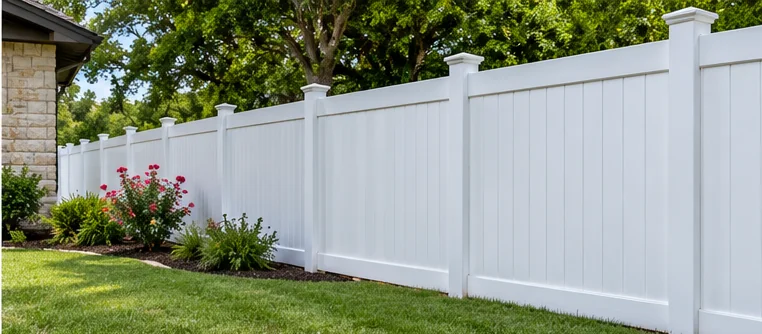
A clean, consistent look without routine painting or staining.
Vinyl fencing is worth comparing when a consistent finished appearance and low routine surface maintenance are important. Solid privacy panels, open pickets and decorative tops suit different yards and visibility needs.
Panel proportions, post foundations, gate reinforcement and expansion space deserve attention during design. A written scope should state the panel style and color, gate opening, expected privacy and installation details.
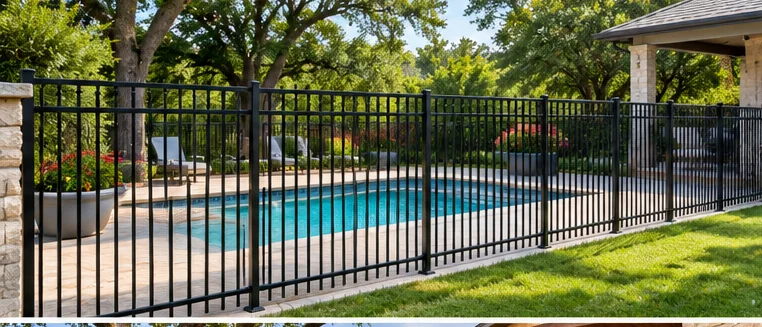
An open-view boundary with a refined metal appearance.
Aluminum is a useful choice when the goal is to define a property edge without closing off views. Its slender pickets can suit front yards, landscaped boundaries and certain pool settings where a transparent enclosure is preferred.
Compare picket spacing, height, rail profiles, coating and the gate latch arrangement. Where a fence is intended for a pool or other regulated enclosure, applicable requirements must be checked for the exact property and design.
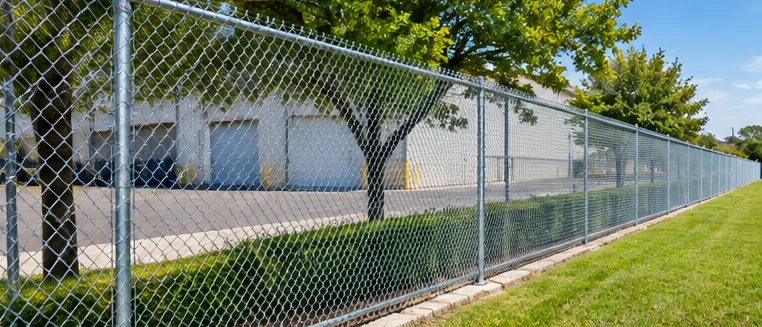
A practical, visible perimeter for homes, yards and commercial sites.
Chain-link is often selected for secure boundaries, equipment areas, pet enclosures and larger fence runs. Galvanized and coated mesh create different looks, and the fence can be paired with swing or sliding gates.
Before comparing quotes, specify the height, mesh gauge, framework, terminal bracing, gate width and coating. Chain-link remains see-through by default; any privacy treatment is a separate decision.
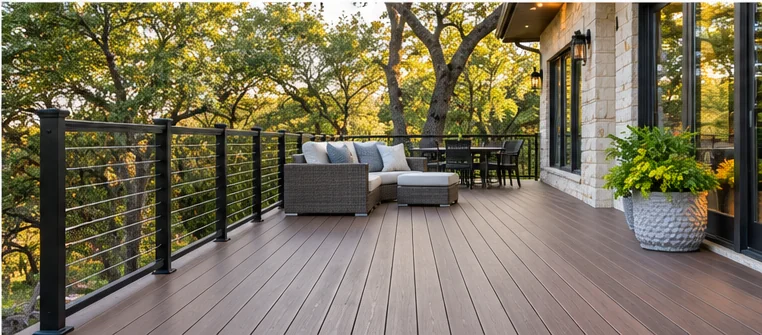
Create a more useful outdoor living space.
For a deck proposal in Austin, Within Austin city limits, fence height, street-facing placement and special site restrictions need an address-specific check. Deck construction follows its own review process. First define whether the structure is attached, elevated or freestanding. Identify footings, framing, stairs, guards, drainage and utility locations, and ask the city which permit path applies to the actual lot.
The scope should cover the structure beneath the boards—footings, framing, attachment, stairs, railings, drainage and how the deck meets the home. Material selection follows those structural and layout decisions.
For commercial fencing, gate openings, perimeter visibility and equipment access can determine the right approach. Compare the hardware and material specifications that fit the property.
Within Austin city limits, fence height, street-facing placement and special site restrictions need an address-specific check. Deck construction follows its own review process. Verify the city's jurisdiction and any adjacent right-of-way before measuring the proposed fence line. Official Austin source ↗. Municipal guidance is a starting point; the address, project design and review authority determine any approvals.
Solid wood or vinyl styles are common choices when privacy is the priority. Aluminum and standard chain-link provide a more open sightline. Layout, height and gate openings affect the final result.
Fence length, gates, post construction, site access, removal and material specification matter. For decks, framing, elevation, stairs, railings and surface boards all change the project scope.
Yes. Describe both project areas in the estimate form and include the preferred materials, rough dimensions and the property location. Scheduling and availability are confirmed during inquiry review.
The City of Austin has separate guidance for fencing, floodplains and some residential decks. A property with an Austin mailing address can fall under a different permitting authority, so confirm jurisdiction and restrictions for the specific parcel.
Review the city's height and location guidance, especially street-facing, right-of-way and floodplain conditions.
Check whether the planned boundary or deck intersects a mapped flood hazard or drainage area before placing foundations.
Deck approvals use different criteria from fencing; size, attachment, elevation and the project scope matter.
Each service guide describes material or construction choices, the details to include in a written quote, and local planning references. Select the scope closest to your project.
Before discussing cedar, vinyl, ornamental aluminum, chain link or deck surfaces, determine the actual permitting jurisdiction. A mailing address that says “Austin” does not establish that City of Austin building rules govern the parcel.
Under the city's current rules, a residential fence over 6 feet beside public right-of-way (other than an alley) can require additional permission, while fence height over 7 feet or a fence in a floodplain triggers permitting. Separate design rules may apply regardless of permit status.
New fences may be subject to Austin's Safe Fencing requirements, and replacing more than half of an existing fence can bring the full run under those requirements. Pool enclosures and corner-lot sightlines need their own review.
The city's deck exemption is limited to qualifying residential decks no larger than 200 square feet and 30 inches high that are unattached, do not serve as dwelling egress and are outside flood hazard areas. A larger or attached deck requires a separate permit discussion.
Official sources, checked November 24, 2026: fencing regulations and permit-exempt work. Restrictions can change. Confirm the location and scope directly with Austin Development Services before relying on this overview.
Tell us the location, material, approximate dimensions and project goals. Omega Fence & Deck can review the inquiry and confirm service availability and next steps.